

East African School of Aviation (EASA): Courses, Fees Structure, Requirements, Location, Contacts, and Application Guide
If you are looking for information about the East African School of Aviation (EASA), this guide will take you through all you need to know before you apply. EASA is one of the most respected aviation training institutions in Kenya and Africa. The school trains students in the fields of aviation management, air traffic services, aviation safety, aircraft maintenance, aviation security, and many other aviation-related fields.
Many students search online using terms such as EASA courses, EASA fees structure, East African School of Aviation requirements, EASA application process, and aviation colleges in Kenya. This guide answers those questions in one spot.
Quick Facts About EASA
| Item | Details |
| Official Name | East African School of Aviation (EASA) |
| Type | Public Aviation Training Institution |
| Parent Organization | Kenya Civil Aviation Authority (KCAA) |
| Location | Embakasi, Nairobi |
| Main Campus | Near JKIA along Airport North Road |
| Additional Campus | Wilson Airport Campus |
| Established | 1954 |
| Accreditation | TVETA, ICAO, IATA, KCAA |
| Admission | Direct Application and KUCCPS for some programs |
About East African School of Aviation
The East African School of Aviation is the Kenya Civil Aviation Authority’s training wing. Founded in 1954, the institution has developed into one of the leading aviation training centres in Africa. Today it trains students and aviation professionals from Kenya, Uganda, Tanzania, South Sudan, Rwanda and many other countries. The school is accredited by international aviation bodies such as ICAO and IATA. This means students get trained to global aviation standards.

It is important to know that EASA does not offer pilot training. It instead looks at aviation support jobs such as air traffic control, aircraft maintenance, aviation safety, airport operations, aviation security and aviation management.
Where is EASA Located?
The main campus is located in Embakasi, Nairobi, along Airport North Road, near Jomo Kenyatta International Airport (JKIA).
The institution also operates a Wilson Airport Campus, which serves aviation professionals and students seeking flexible training programs.
Location Benefits
When you study at EASA, you enjoy:
- Close proximity to JKIA
- Exposure to real aviation operations
- Easy access to transport
- Modern aviation training facilities
- Opportunities to interact with aviation professionals
For example, an aircraft maintenance student can easily observe airport operations and gain practical industry exposure.
Why Choose EASA?
Choosing the right aviation school can shape your entire career.
Here are some reasons why many students choose EASA:
1. International Recognition
EASA is recognized by:
- International Civil Aviation Organization (ICAO)
- International Air Transport Association (IATA)
- Kenya Civil Aviation Authority (KCAA)
- Technical and Vocational Education and Training Authority (TVETA)
2. Strong Industry Reputation
The institution has trained aviation professionals for over 70 years.
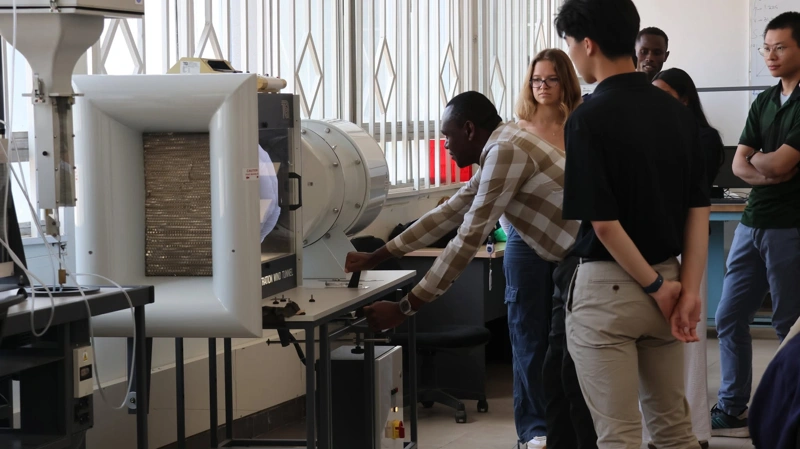
3. Modern Training Equipment
Students learn using aviation simulators, technical laboratories, and industry-standard equipment.
4. Experienced Trainers
Most instructors have extensive aviation industry experience.
5. Excellent Career Opportunities
Many graduates work in:
- Airports
- Airlines
- Aviation authorities
- Aircraft maintenance organizations
- Ground handling companies
6. Flexible Learning Options
The institution offers:
- Full-time programs
- Evening classes
- Professional development courses
- E-learning options
Courses Offered at EASA
EASA offers both Ab Initio (entry-level) programs and professional aviation courses.
Aeronautical Engineering Programs
These programs prepare students for careers in aircraft maintenance and engineering support.
Examples include:
- Aeronautical Engineering
- Aircraft Maintenance Training
- Aviation Technical Programs
Air Traffic Services Programs
These programs train future air traffic professionals.
Examples include:
- Basic Air Traffic Control
- Aerodrome Control
- Area Control
- Approach Control
Aviation Safety and Security Programs
Students learn how to maintain safe and secure aviation operations.
Examples include:
- Aviation Safety Management
- Aviation Security Management
- Dangerous Goods Handling
Aviation Business Management Programs
These courses focus on aviation leadership and management.
Examples include:
- Airport Operations
- Aviation Management
- Airline Operations
- Customer Service in Aviation
Communication, Navigation, and Surveillance (CNS)
These programs prepare technical specialists who maintain aviation communication systems.
Aeronautical Information Services (AIS)
Students learn how aviation information supports flight operations.
IATA Programs
The institution offers several internationally recognized IATA courses for aviation professionals.
EASA Admission Requirements
Requirements vary depending on the course.
Diploma Programs
Generally, applicants should have:
- KCSE Mean Grade C- (Minus) or above
- Relevant subject requirements where applicable
Certificate Programs
Generally, applicants should have:
- KCSE Mean Grade D (Plain) or above
Professional Courses
Requirements may include:
- Previous aviation qualifications
- Relevant work experience
- Industry certification
You should always confirm the latest requirements with the admissions office before applying.

EASA Fees Structure
EASA offers many different programs, so fees vary depending on the course.
Examples of Professional Course Fees
| Course | Approximate Fee (KES) |
| Basic Air Traffic Control | 506,500 |
| Aerodrome Control | 481,000 |
| ATSEP Phase 1 | 407,500 |
| AIS ICAO 021 | 473,500 |
| Customer Care in Aviation | 83,300 |
Professional aviation courses are highly specialized and therefore cost more than regular TVET programs.
For diploma and certificate courses, students should request the latest fee structure directly from EASA because fees are reviewed periodically.
Additional Costs
You may also pay for:
- Registration
- Examinations
- Medical assessments
- Accommodation
- Student activities
How to Apply for Admission
Applying to EASA is straightforward.
Step 1: Create an Online Account
Visit the EASA student application portal and create an account.
Step 2: Complete the Application
Fill in:
- Personal details
- Academic qualifications
- Course selection
Step 3: Upload Required Documents
You may need:
- KCSE Certificate
- National ID
- Passport Photos
- Relevant professional certificates
Step 4: Pay Application Fees
Applications are processed after payment.
Step 5: Download Admission Letter
Once approved, you can download your admission letter online.
Student Life at EASA
Student life combines academics with practical aviation exposure.
Learning Facilities
Students have access to:
- Modern aviation laboratories
- Simulators
- Computer labs
- Library facilities
- E-learning platforms
Accommodation
Accommodation options are available, although students should confirm availability during admission.
Sports and Recreation
Students participate in:
- Sports activities
- Clubs and associations
- Leadership programs
- Professional aviation events
Practical Training
One of the biggest advantages of studying at EASA is practical exposure.
For example:
- Air traffic students use simulators.
- Engineering students work with technical equipment.
- Aviation management students study real airport operations.
Career Opportunities After Graduation
Depending on your course, you may work as:
Air Navigation Services
- Air Traffic Controller
- Flight Information Officer
- Aeronautical Information Officer
Engineering
- Aircraft Maintenance Technician
- Aeronautical Engineering Technician
- Aviation Systems Specialist
Aviation Safety and Security
- Aviation Security Officer
- Safety Management Officer
- Airport Security Specialist
Aviation Management
- Airport Operations Officer
- Airline Operations Officer
- Customer Service Manager
- Aviation Administrator

EASA Contacts
Postal Address P.O. Box 30689-00100, Nairobi, Kenya
Phone Numbers
- +254 716 164229
- +254 716 164230
- +254 20 6823699
Email Addresses info@easa.ac.ke, admissions@easa.ac.ke
Frequently Asked Questions
Does EASA offer pilot training?
No. EASA does not offer pilot training. The institution specializes in aviation support and technical programs.
Is EASA accredited?
Yes. The institution is accredited by TVETA and recognized by ICAO, IATA, and KCAA.
Can I apply online?
Yes. Applications are submitted through the EASA online admissions portal.
Does EASA offer evening classes?
Yes. Some programs are available on a part-time or evening basis.
Is EASA a government institution?
Yes. EASA operates under the Kenya Civil Aviation Authority.
Conclusion
If you want to build a career in aviation without becoming a pilot, the East African School of Aviation is one of the best institutions in Kenya and Africa. The school offers internationally recognized programs, modern training facilities, experienced instructors, and strong links to the aviation industry. Whether you are interested in air traffic control, aviation safety, engineering, or airport management, EASA provides a solid foundation for a successful aviation career.
Before applying, review the available courses, confirm the latest fees, and choose a program that matches your long-term career goals.
References
Kenya Civil Aviation Authority
